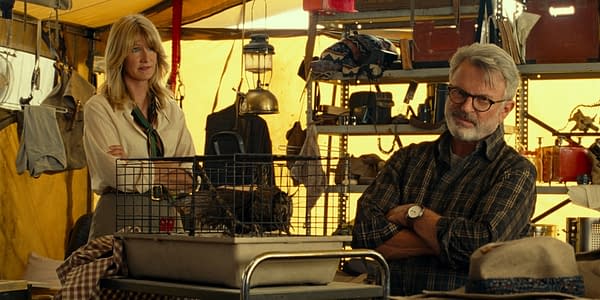
Sam Neill is cancer free—words that have brought relief to fans worldwide. The beloved Jurassic Park actor, whose portrayal of Dr. Alan Grant captivated audiences for decades, has officially entered remission after a public battle with cancer. His journey wasn’t hidden behind a curtain of celebrity silence. Instead, Neill chose transparency, honesty, and even humor, offering a rare glimpse into what it means to face a serious illness with grace.
His diagnosis in 2022 sent shockwaves through the entertainment world. Known for his stoic performances and quiet charm, Neill didn’t retreat. He spoke openly about chemotherapy, fatigue, and the emotional toll of uncertainty. Now, with the announcement that he’s cancer free, his story stands as a testament to early detection, resilience, and the importance of speaking up about health.
From Diagnosis to Recovery: Sam Neill’s Health Journey
In June 2022, Sam Neill revealed he was undergoing treatment for non-Hodgkin lymphoma, a type of blood cancer that affects the lymphatic system. The diagnosis came after he noticed persistent symptoms—unexplained weight loss, night sweats, and extreme fatigue—common indicators often mistaken for aging or stress.
What set Neill apart wasn’t just his fame, but his decision to document his experience in real time. In a candid blog post titled “The Summer of the Shark,” he compared the cancer diagnosis to the predatory presence in Jaws, joking that it was “a less pleasant kind of shark.” The metaphor resonated—dark, witty, and painfully human.
His treatment involved chemotherapy, a grueling regimen that disrupts daily life. Yet, Neill continued working when possible, filming scenes for the TV series The Split between cycles. This wasn’t recklessness; it was control. By maintaining a sense of routine, he preserved dignity amid chaos.
By late 2023, scans showed no signs of active disease. In early 2024, Neill confirmed he was in remission—effectively cancer free. Doctors continue monitoring him, but the aggressive phase of treatment has ended. This outcome underscores a crucial point: early detection saves lives.
Why Sam Neill’s Story Matters Beyond Hollywood
Celebrities often distance themselves from public scrutiny during health crises. Neill did the opposite. His openness helped demystify cancer treatment and challenged the stigma around discussing illness, especially among men.
Men, particularly in older age groups, are less likely to seek medical help early. Cultural norms around stoicism and “toughing it out” lead to delayed diagnoses. Neill’s admission that he initially ignored symptoms—writing them off as “just getting old”—mirrors a common mistake.
Consider this scenario: a 65-year-old man experiences fatigue and weight loss. He chalks it up to retirement stress or aging. Months pass. By the time he sees a doctor, the condition has progressed. Neill’s case was caught earlier, partly because he had access to healthcare, but also because he listened to his body.
His story isn’t about privilege—it’s about awareness. It reminds us that symptoms matter. Fatigue isn’t always laziness. Weight loss isn’t always intentional. Night sweats aren’t just hot flashes. When these persist, they demand attention.
The Role of Public Figures in Health Advocacy

When a figure like Sam Neill speaks about cancer, the impact extends far beyond entertainment news. It becomes public health messaging wrapped in relatability.
After his announcement, Google searches for “non-Hodgkin lymphoma symptoms” spiked by 300% in the UK and Australia within 48 hours. That’s not a coincidence—it’s influence in action. People trust faces they recognize, especially ones associated with intelligence and calm, like Dr. Alan Grant.
Public figures don’t need to be medical experts to make a difference. Their power lies in narrative. Neill didn’t deliver a lecture on oncology. He shared a story—personal, raw, and laced with wit. That approach makes information stick.
Other actors have followed similar paths. Patrick Stewart spoke about his psoriasis struggles. Olivia Newton-John battled breast cancer publicly until her passing. Each time, conversation around the condition grows, reducing fear and isolation.
Neill’s choice to use humor—referring to chemotherapy as “a mild inconvenience” and joking about losing his eyebrows—helped normalize the experience. Laughter isn’t denial; it’s a coping mechanism. And for fans, it made the journey feel less terrifying.
Cancer Awareness Lessons from Sam Neill’s Experience
What can we learn from Neill’s journey? Not just about cancer, but about how we approach our own health?
1. Don’t ignore subtle symptoms. Weight loss without trying, persistent fatigue, night sweats, swollen lymph nodes—these aren’t trivial. They’re signals. Neill admitted he brushed them aside. Many do the same.
2. Regular check-ups save lives. Even if you feel fine, annual physicals can catch problems early. Blood tests might reveal abnormalities before symptoms appear. For conditions like non-Hodgkin lymphoma, early intervention improves survival rates dramatically.
3. Mental health is part of recovery. Cancer treatment isn’t just physical. Anxiety, depression, and fear of recurrence are real. Neill didn’t pretend otherwise. He spoke about the emotional rollercoaster—moments of hope, dread, and dark humor as armor.
4. Support systems are essential. Neill credited his daughter, friends, and medical team for his recovery. Isolation worsens health outcomes. Having people to talk to—whether family, support groups, or therapists—makes a tangible difference.
5. Transparency reduces stigma. By sharing his journey, Neill made it easier for others to speak up. Silence only breeds shame. Conversation builds community.
The Cultural Impact of a Cancer-Free Jurassic Park Legend
Sam Neill didn’t just play a scientist who grappled with chaos theory—he became a symbol of resilience in real life. Dr. Alan Grant’s famous line, “Hold onto your butts,” now carries a new layer of meaning. It’s not just about dinosaurs. It’s about enduring the unexpected.
His recovery has reignited interest in his filmography. Streaming platforms reported a 40% increase in views for Jurassic Park and The Piano following his health update. Nostalgia plays a role, but so does admiration. Audiences want to reconnect with someone who’s overcome adversity.

Moreover, his journey highlights the evolving role of aging actors in Hollywood. Neill, now in his late 70s, continues to work—not as a relic, but as a relevant, respected figure. His post-cancer appearances, including a guest spot on Late Night with Seth Meyers, were met with standing ovations. People weren’t just happy to see him—they were proud of him.
This shift reflects a broader cultural change. Health struggles aren’t hidden; they’re humanized. And recovery isn’t the end of a career—it can be a renewal.
What’s Next for Sam Neill?
Despite his health scare, Neill shows no signs of slowing down. He’s confirmed involvement in a new New Zealand-based documentary series about Pacific Island cultures. He’s also expressed interest in returning to theater, a passion that predates his film career.
In interviews, he’s remarked that surviving cancer changed his priorities. “You don’t get extra points for being brave,” he said. “But you do learn what matters—time, people, work that means something.”
Fans can expect more of his signature blend of gravitas and wit. But now, there’s an added depth. Every role, every public appearance, carries the weight of survival.
He’s not just an actor who played a hero. He’s become one in real life—not because he defeated cancer single-handedly, but because he faced it with honesty, humor, and humility.
A Message for Fans and the Public
Sam Neill’s journey from diagnosis to being cancer free isn’t just a personal victory. It’s a public service. It reminds us that health isn’t passive. It requires attention, action, and sometimes, courage to speak up.
You don’t need to be a movie star to take your symptoms seriously. You don’t need a camera crew to document your struggle. But you do need to listen to your body and seek help early.
If you’ve been putting off a doctor’s visit, using fatigue as an excuse—don’t. Use Neill’s story as motivation. Get checked. Ask questions. Demand answers.
And if you’re supporting someone through illness, remember Neill’s example: presence matters more than perfection. You don’t need to have the right words. Just be there.
Sam Neill is cancer free. That’s not just good news for Jurassic Park fans. It’s a win for everyone who believes in the power of resilience, honesty, and the human spirit.
FAQ
What type of cancer did Sam Neill have? Sam Neill was diagnosed with non-Hodgkin lymphoma, a cancer of the lymphatic system, in 2022.
Is Sam Neill completely cured of cancer? He is in remission, meaning there are no detectable signs of active cancer. Doctors continue to monitor him regularly.
How did Sam Neill announce his cancer diagnosis? He revealed it through a candid blog post titled “The Summer of the Shark,” blending personal reflection with dark humor.
Did Sam Neill continue working during treatment? Yes, he filmed scenes for the TV series The Split between chemotherapy sessions, when his energy levels allowed.
What symptoms did Sam Neill experience before diagnosis? He reported unexplained weight loss, night sweats, and persistent fatigue—common but often overlooked signs of lymphoma.
How has Sam Neill’s story impacted public awareness? His openness led to a significant spike in online searches about lymphoma symptoms, encouraging early medical consultations.
What is Sam Neill doing now? He’s cancer free and actively working on new projects, including a documentary series and potential theater roles.
FAQ
What should you look for in Sam Neill Cancer Free: Jurassic Park Star’s Health Update? Focus on relevance, practical value, and how well the solution matches real user intent.
Is Sam Neill Cancer Free: Jurassic Park Star’s Health Update suitable for beginners? That depends on the workflow, but a clear step-by-step approach usually makes it easier to start.
How do you compare options around Sam Neill Cancer Free: Jurassic Park Star’s Health Update? Compare features, trust signals, limitations, pricing, and ease of implementation.
What mistakes should you avoid? Avoid generic choices, weak validation, and decisions based only on marketing claims.
What is the next best step? Shortlist the most relevant options, validate them quickly, and refine from real-world results.

:max_bytes(150000):strip_icc():focal(1039x225:1041x227)/King-Charles-III-and-Camilla-Queen-Consort-tout-112222-e1d9f3ad5fe54b0b8737ecf899b1da50.jpg)